 A fun and engaging lesson to introduce engineering and STEM learning in the classroom.
Student Learning Objectives: The students will be able engineering concepts to build a bridge that will hold the weight of a toy goat and record and self evaluate their designs on their digital portfolio.
Standards: K-2-ETS1-2. Develop a simple sketch, drawing, or physical model to illustrate how the shape of an object helps it function as needed to solve a given problem.
Grade Ranges: K-1
Attention Getter: The teacher will introduce the lesson by playing the NASA for kids engineering video for the class.
Direct Instruction: The teacher will announce to the class that today they are going to work as engineers. Present the Google Presentation The Three Billy Goats Gruff STEM Challenge. Pose the problem- How can the goats cross the river with the troll? (Solution- Build a bridge). Then go over the steps in the engineering process and explain the next step is Plan. TTW go over the task and the materials available. Presentation
Guided Practice: The teacher will pass out the planning sheet and have the students draw the materials and the blueprint for their bridge. The teacher will encourage students to talk with their classmate and work collaboratively to come up with a plan.
Independent Practice: Students will gather materials and begin building their bridge. When students have finished they will bring their bridge to the testing area. They will test their bridge to see if it fits over the river and can hold one toy goat. Then they will go to the recording station to record their results. Students will use the SeeSaw App to take a picture of their bridge and post it to their learning journal. Students will record how their bridge worked and what changes they think would improve their design.
Wrap Up: Students will gather on the carpet. The teacher will show SeeSaw on the bridge and allow students to share their journal entry. The students and teacher will discuss what materials and techniques worked well and what did not work well.
Attachment: Lesson plan & students worksheet: Technology Lesson Plan- STEM Three Billy Goats Gruff

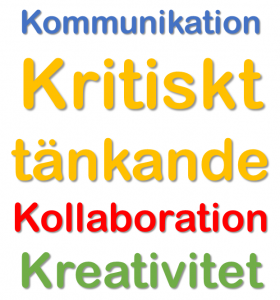 Ha det här I bakhuvudet när du planerar nästa experiment; kommunicera med barnen kring upplägget, fundera kring resultatet vad det kan bero på, låt dem samarbeta och ge utrymme för barnens kreativitet.
 Tror det inlägget kan vara intressant även för det här forumet.
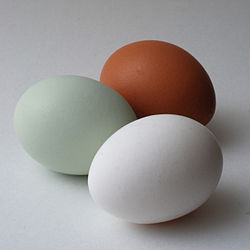 Now in Easter times – why don’t try some egg experiments?
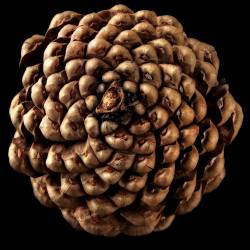 ”Urskilja och undersöka. Sortera, jämföra, upprepa. Att leta och upptäcka mönster är ett sätt att närma sig algebra för barn i förskolan och i förskoleklassen.”
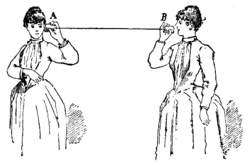 Why don’t try to make a ”can-phone” (have no idea if this is the correct term)? Many have done it sometimes.